

The Ultimate Parent’s Guide to the Best Primary School Chinese Enrichment Classes
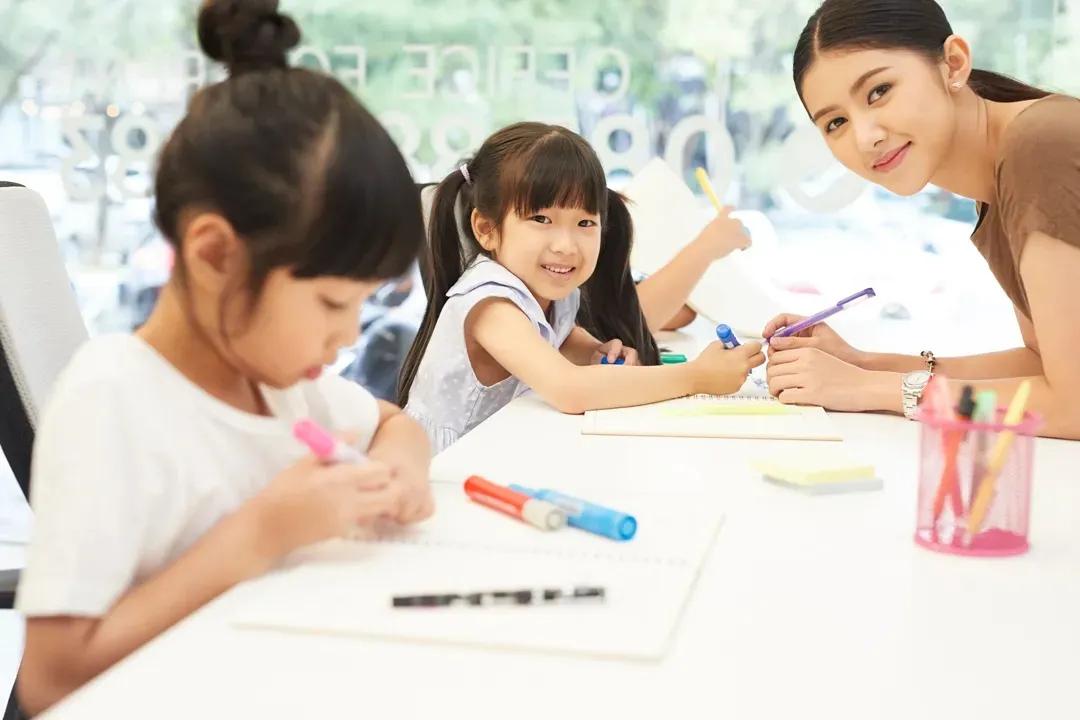
The transition into primary school marks a significant milestone in a child's educational journey. For many parents in Singapore, this transition also brings a familiar and persistent challenge to the forefront: mastering the Chinese language. As the academic curriculum intensifies, many children begin to view Mandarin not as a vibrant tool for daily communication, but as a stressful hurdle composed of endless text passages, complex character writing, and intimidating oral examinations.
It is a common scenario in many households. A child may perform beautifully in other subjects, yet show deep resistance, anxiety, or apathy toward their Mother Tongue. When learning a language is reduced to dry drills and passive memorization, motivation plummets.
To bridge this gap and foster genuine confidence, finding the right external support becomes essential. However, with so many options available, how can parents discern which program will truly make a difference? This ultimate guide explores the core pillars of effective language acquisition and provides a clear framework for choosing a program that transforms your child’s relationship with Mandarin.
1. Shift from Passive Learning to Active Engagement
Traditional language teaching models often rely heavily on rote learning—requiring students to write a character dozens of times or memorize vocabulary lists out of context. While building a strong vocabulary base is necessary, an exclusive focus on repetition quickly drains the joy out of learning.
To truly master a language, primary school students need to step out of a passive listening role and become active participants. When evaluating your options, look for a curriculum that focuses on experiential learning. Language is retained most effectively when children use it to solve problems, express unique ideas, and engage with compelling narratives.
An exceptional curriculum integrates interactive storytelling, collaborative discussions, and creative problem-solving tasks entirely in Mandarin. By connecting vocabulary to real-world contexts and emotional experiences, the language comes alive. When looking for the right fit, investing your time in the best chinese enrichment class for primary school ensures that your child is exposed to a premium methodology designed to build both academic excellence and genuine linguistic confidence.
2. Maximizing the Power of Productive After-School Hours
For busy working families, a child's learning journey does not end when the school bell rings in the early afternoon. The hours between the end of the school day and dinner time represent a crucial window of opportunity. If left unstructured, these hours can easily become a source of stress, filled with rushed commutes between various single-subject tuition centers or hours of unguided screen time.
Integrating language enrichment into a structured afternoon routine is an incredibly effective way to maximize this time without overwhelming your child. Choosing a holistic approach to after school education allows parents to provide their children with a balanced environment where academic revision, specialized language enrichment, and structured rest coexist seamlessly.
When a primary school student can transition directly from their regular school day into a nurturing environment that supports their homework needs while simultaneously sharpening their Chinese literacy skills, it eliminates logistically exhausting travel across the island. More importantly, it ensures that your child returns home with their academic responsibilities fulfilled, leaving evenings open for quality family bonding.
3. Key Criteria for Evaluating a Premium Learning Environment
With a vast array of educational providers available, parents must know how to look past slick marketing campaigns and evaluate the actual substance of a program. A high-quality environment must balance rigorous curriculum standards with a supportive psychological atmosphere.
When touring a potential enrichment centre, keep the following four critical benchmarks in mind:
● Curriculum Alignment and Future-Proofing: Does the program merely react to upcoming school assessments, or does it proactively equip students with underlying cognitive tools? The ideal curriculum is closely aligned with the latest school syllabus requirements while explicitly teaching macro skills like composition structure, comprehension analysis, and critical thinking.
● Class Sizes and Teacher Interaction: Language is a highly interactive, auditory skill. In overcrowded classrooms, a child can easily sit quietly in the back without uttering a single sentence of Mandarin. Small class sizes ensure that every student receives individual speaking opportunities and real-time pronunciation feedback.
● Educator Training and Passion: The quality of a program relies heavily on the teachers executing it. Look for centers that invest deeply in the continuous professional development of their educators, ensuring they are well-versed in both child psychology and modern pedagogical techniques.
● A Positive, Low-Stress Atmosphere: Children do not learn effectively when they are paralyzed by the fear of making mistakes. The learning environment should feel safe, inspiring, and highly encouraging, celebrating a student’s progress and treating errors as valuable learning moments.
4. Addressing Specific Primary School Academic Milestones
As children progress through the primary school ranks, the linguistic challenges they face evolve rapidly. A great enrichment program adapts its focus to meet these changing developmental and academic needs.
The Lower Primary Foundations (Primary 1 and Primary 2)
In the early primary years, the primary academic focus centers on building a robust vocabulary, understanding basic sentence structures, and mastering Hanyu Pinyin. The enrichment program at this stage should focus heavily on building oral confidence and smooth reading habits, ensuring that children can transition comfortably from spoken Mandarin to recognizing written characters.
The Upper Primary Crucial Years (Primary 3 to Primary 6)
As students enter upper primary, the academic landscape changes dramatically. The introduction of complex composition writing, sophisticated comprehension passages, and nuanced listening and oral examinations requires a more strategic approach.
The ideal enrichment program equips students with systematic, repeatable techniques to tackle these specific components. For example, instead of forcing students to memorize essays word-for-word, an effective class teaches them how to analyze a composition topic, draft a captivating narrative arc, and inject vivid descriptive vocabulary independently. This methodical approach removes the guesswork and panic from high-stakes exam situations.
Empowering Your Child’s Educational Future
Selecting the right Chinese enrichment class is an investment that extends far beyond the boundaries of a report card. True bilingualism provides primary school students with immense cognitive benefits, enhancing their working memory, flexible thinking, and global perspectives. By prioritizing active, experiential methodologies, structured after-school routines, and supportive classroom environments, you can turn a subject of anxiety into a source of personal pride for your child.
At Mindspace, we understand that every primary school student possesses a unique learning profile. Our specialized Chinese enrichment programs are meticulously crafted to bridge the gap between school curriculum demands and a child's intrinsic curiosity. By utilizing scientifically proven learning strategies within a highly nurturing environment, we empower students to shed their linguistic hesitation and develop a resilient mindset. We don't just help your child prepare for their next exam; we build a powerful foundation of confidence and literacy that supports their academic success today and prepares them for a lifetime of achievement.